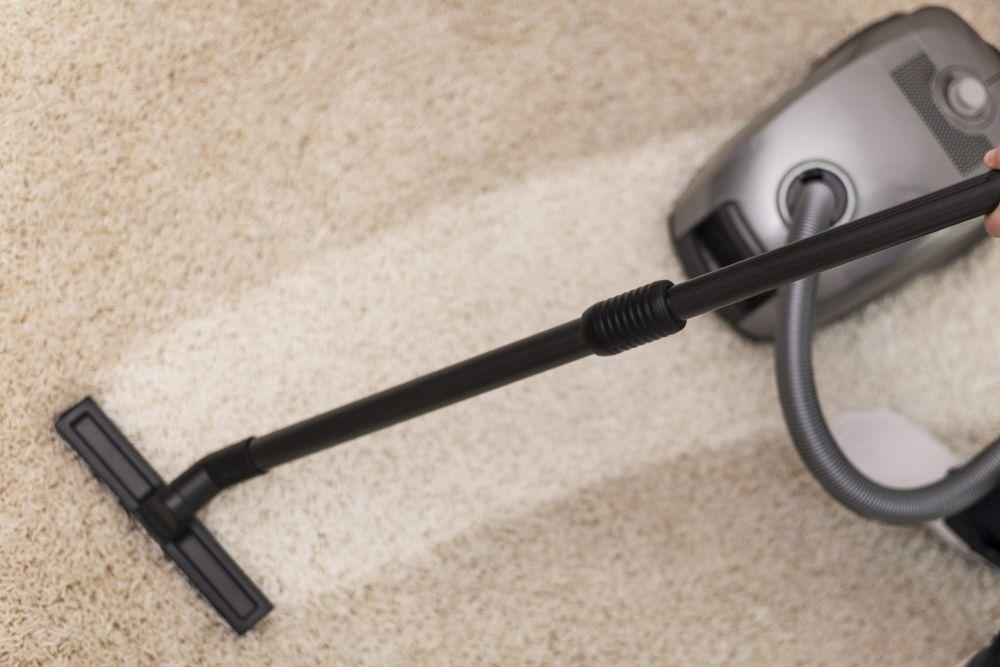
Office carpets have tightly woven fibres that trap soil, dust, and allergens deep below the surface, keeping the floor looking acceptably clean for a long time. Most facilities teams only notice the problem when damage like traffic lanes, flattened pile, or unpleasant odours surface.
For most commercial spaces, high-traffic zones need professional deep cleaning every three to six months, medium-traffic zones every six to twelve months, and low-traffic zones every twelve to eighteen months. But no single timeline fits every office, because foot traffic volume, carpet construction, and the nature of the business vary.
Clean too infrequently, and the fibres deteriorate sooner. Clean too often without cause, and you spend money unnecessarily.
The right approach matches the schedule to how the space actually operates.
The Office Carpet Cleaning Schedule by Traffic Level
Professional office carpet cleaning frequency should be set by zones, depending on the foot traffic level:
1. High-Traffic Zones
Recommended carpet cleaning frequency: 3 to 6 months
Entryways, lobbies, hallways, and office breakrooms need more frequent professional cleaning due to high foot traffic:
- Outdoor Debris Entry: These areas absorb most outdoor soil, moisture, and tracked-in grit from footwear before it can spread further into the building.
- Traffic Lane Formation: Visible pathways of compression and discolouration appear here first, indicating that abrasive particles are already working against the fibres.
2. Medium-Traffic Zones
Recommended carpet cleaning frequency: 6 to 12 months
General workspaces and cubicle areas have steady daily use without the concentrated traffic of an entrance or main corridor:
- Steady Accumulation: Soil builds gradually through daily foot traffic, settled dust, and spills from desks and workstations.
- Less Visible Soiling: Damage is not always apparent to the eye, but embedded particulates still grind against fibres with every step across the zone.
3. Low-Traffic Zones
Recommended carpet cleaning frequency: 12 to 18 months
Conference rooms and executive offices are used intermittently, so soil accumulates slowly:
- Infrequent Use: Lower occupancy and limited foot traffic mean these zones face considerably less abrasive wear and settled debris.
- Slower Soil Build-Up: Allergens and dust still accumulate over time, but at a pace that supports a longer interval between professional cleaning.
4. Vacuuming
Recommended vacuuming frequency: Daily to weekly, depending on zone
Deep carpet cleaning services for office spaces get optimal results when the floor is maintained by vacuuming in between sessions:
- High-Traffic Areas, Daily: Daily vacuuming in lobbies, corridors, and breakrooms lifts abrasive particles before they embed in the fibres.
- Moderate-Traffic Areas, Two to Three Times Weekly: General workspaces benefit from consistent vacuuming to prevent soil from settling deep into the pile.
- Low-Traffic Areas, Weekly: Conference rooms and executive offices need at least one vacuum per week to manage dust accumulation and support indoor air quality.
- Spills, Immediately: The window to prevent a spill from becoming a permanent stain is narrow. Spot cleaning the carpet within minutes is more effective than any effort applied after the spill has dried and set.
What Changes Your Office Carpet Cleaning Frequency?
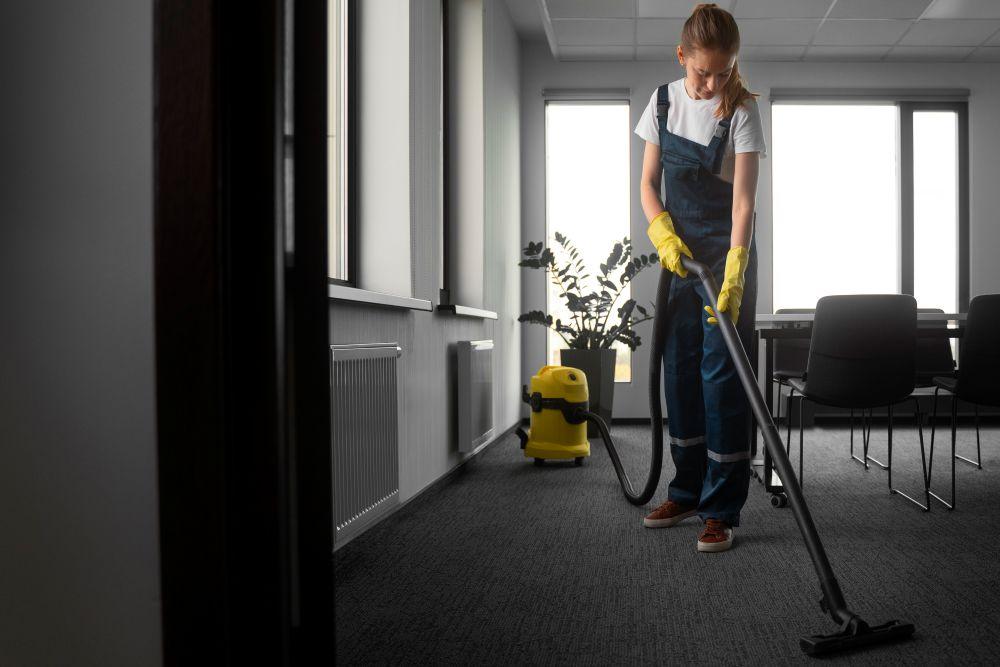
Several factors can shorten or lengthen cleaning intervals beyond the zone-based baseline.
- Foot Traffic Volume: This is the single largest variable. An office with 200 staff in the same footprint as one with 50 will need carpet attention more frequently across every zone.
- Carpet Type and Construction: Denser pile traps soil effectively but can be harder to extract. Loop pile and cut pile respond differently to soiling and to cleaning methods, so frequency and technique are not always the same across a floor.
- Carpet Colour: Lighter-coloured carpet shows soil more visibly and traps fine particles that remain invisible until professionally cleaned, so it tends to need attention sooner than darker options.
- Customer-Facing Areas: Any zone a client walks through warrants closer attention. Client reception areas may need monthly cleaning.
- Carpet Tiles Versus Broadloom: Carpet tiles carry a practical maintenance advantage in commercial settings. You can replace individual tiles when a section is damaged or stained beyond recovery, without replacing the entire floor.
Signs Your Office Carpet Needs Cleaning
When you notice these signs, you should disregard the usual schedule and hire carpet cleaning services for your office:
- Visible Traffic Lanes: Compressed, discoloured pathways along walking routes indicate that abrasive soil has embedded in the fibres and is actively wearing them down.
- Persistent Stains: Spot treatment is no longer lifting marks that have been present for some time. The stain has likely bonded with the fibre and requires professional extraction.
- Returning Odours: A smell that doesn’t go away even after airing out the space indicates the source is embedded in the pile.
- Flattened Pile: If vacuuming doesn’t improve the appearance of certain areas, it may indicate deep compaction of fibres and accumulated debris.
- Increased Room Dust: A noticeable rise in ambient dust may be a sign that the carpet is releasing trapped particulates back into the air.
- Indoor Air Quality Complaints: Persistent stuffiness, dust irritation, or worsening allergy complaints may indicate the carpet is affecting air quality.
Can Office Carpet Be Over-Cleaned?
Yes. Excessive wet cleaning drives up maintenance costs without a proportional benefit. But the bigger risk is improper cleaning rather than cleaning too often, especially when commercial carpets are treated with equipment that cannot do the job properly.
These factors may cause expensive mistakes:
- Inadequate Moisture Extraction: Household extraction tools rarely remove soil fully from dense commercial fibres. The carpet may look clean at the surface while retaining moisture deep in the pile, creating conditions for mould, odour, and backing damage.
- Chemical Damage: Bleach or the wrong cleaning agent can damage carpet fibres outright. Improper chemical use can cause colour loss, fibre degradation, and permanent texture changes.
- Warranty Implications: Most commercial carpet manufacturers tie warranty coverage to documented cleaning schedules and approved methods. Neglected or improperly conducted maintenance can void that coverage.
Create the Right Carpet Cleaning Schedule With ESP Cleaning Services
At ESP Cleaning Services, our professional carpet cleaning follows a documented eight-step process, beginning with inspection and carpet assessment. That first step sets the interval, because we match frequency to your actual traffic levels rather than a generic recommendation.
The process also covers pre-treatment of high-traffic areas, dust mite and allergen treatment, odour neutralisation, protective treatment, and a final inspection before the team leaves.
We schedule all professional office cleaning around your operating hours. Deep cleaning runs after hours or at weekends, so it never interrupts a working day. If your regular cleaner is unavailable, we deploy a replacement from our standby pool. Jobs are never cancelled.
From Fortune 500 offices to local SMEs across Singapore, ESP Cleaning Services keeps commercial carpet on a schedule that protects the investment and the people using the space. Contact us for a site assessment and a quotation.