Sanitising toys in a childcare centre ensures regulatory compliance and protects your daycare’s reputation. Early Childhood Development Agency (ECDA) standards and the Ministry of Health’s (MOH) Infection Prevention Guidelines for Schools and Child Care Centres also set expectations for managing shared surfaces, and toys are among the highest-risk contact points in any centre.
Most hygiene problems do not come from skipping toy cleaning entirely. They come from using the wrong process, or completing the right steps in the wrong order.
Clean, Sanitise, Disinfect: Why the Difference Matters in a Childcare Setting
These terms describe different outcomes:
- Cleaning: Removes visible dirt and organic matter using soap and water. It is the required first step in every hygiene sequence.
- Sanitising: Reduces the pathogen load to levels considered safe for children, using a diluted solution or child-safe spray. This is the routine process for daily toy handling.
- Disinfecting: Eliminates remaining pathogens using stronger chemistry.
In a Singapore daycare centre, routine sanitising typically applies to most daily toy handling. Disinfection is usually triggered by a confirmed or suspected Hand, Foot and Mouth Disease (HFMD) case, a vomiting incident, or an MOH notification. It is not the default for everyday use.
Also, this process needs to follow a sequence to ensure efficacy and to avoid cleaning mistakes:
- Clean before you sanitise
- Sanitise before you disinfect
How to Sanitise Toys in a Daycare Centre by Material Type
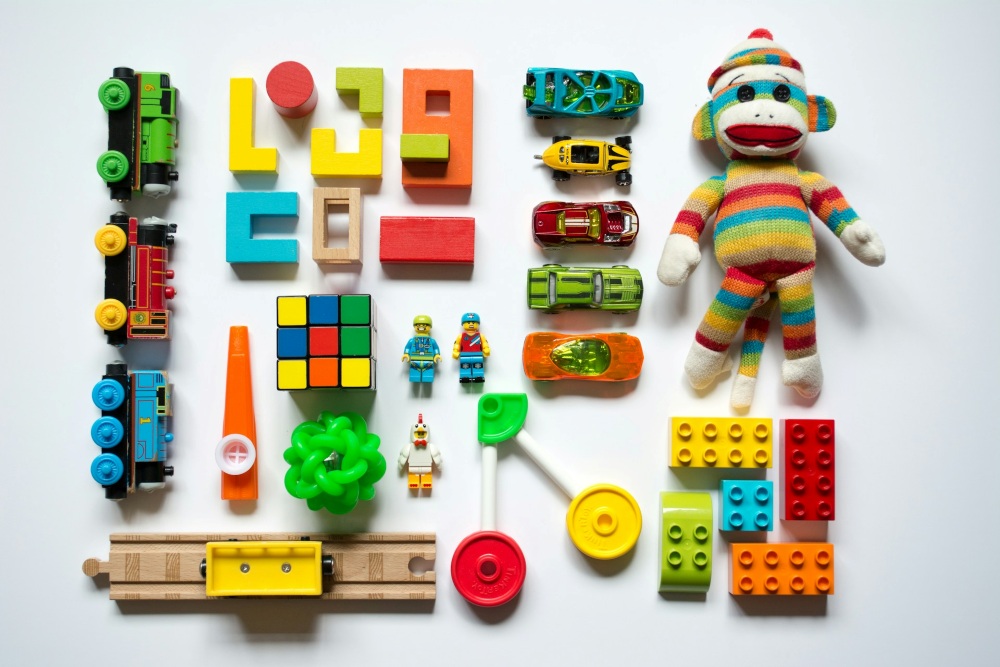
The best way to clean toys in a daycare varies with the material. Method, solution strength and drying requirements all change depending on what the toy is made of.
1. Hard Plastic, Non-Porous, and Rubber Toys
Hard plastic, rubber and non-porous toys (figurines, Lego, plastic kitchen sets) are the easiest to sanitise in daycare centres, especially since they tolerate the widest range of cleaning solutions. Follow these steps:
- Step 1: Wash: Scrub with warm water and mild liquid soap, using a brush to reach grooves and joins. Rinse thoroughly.
- Step 2: Sanitise: Soak in a diluted bleach solution (approximately 1 tablespoon of unscented bleach per 4 litres of water) for at least two minutes, or wipe with a child-safe sanitising spray and observe the full contact time stated on the label.
- Step 3: Dry: Air dry on a clean surface before returning to circulation. In Singapore’s humidity, towel-drying straight into covered storage is a mould risk.
What to avoid:
- Abrasive cleaners that scratch plastic surfaces (scratches create grooves where bacteria accumulate)
- Chlorine solutions used at full concentration
- Any product not confirmed safe for surfaces children will mouth
2. Wooden Toys
Wood absorbs moisture and warps or cracks under prolonged exposure, which rules out soaking. Damaged grain also becomes a hygiene problem once the surface is no longer intact, so make sure to follow these cleaning instructions:
- Step 1: Wipe: Use a damp cloth with a small amount of mild soap. A soft brush covers grooves and joins where saliva accumulates.
- Step 2: Sanitise: Wipe with a cloth dampened with diluted sanitising solution. Apply it to the cloth, not directly onto the toy.
- Step 3: Dry: Dry immediately and thoroughly. Do not stack wet wooden toys or return them to a toy box while still damp.
When wooden toys like blocks, puzzles, or play kitchen items show visible mould, cracking, or splintering, remove them from the daycare centre entirely. Sanitising cannot restore a structurally compromised surface to a safe condition.
3. Fabric and Soft Toys
Fabric toys like stuffed animals, cloth dolls, and fabric books are the hardest category to sanitise reliably. Where possible, assign them to individual children rather than sharing them across a group.
- Machine-washable Items: Wash on the hottest cycle the manufacturer’s label allows, using a child-safe detergent. Dry completely before returning to use, as inadequate drying time in local conditions creates mould risk inside the stuffing.
- Non-machine-washable Items: Hand wash with warm water and mild soap, rinse thoroughly, and air dry in a well-ventilated area for at least a full day before returning to circulation.
During an active HFMD period or confirmed outbreak, remove fabric toys from shared areas entirely. They cannot be reliably disinfected to the standard required.
What Cleaning Schedule Should a Singapore Childcare Centre Follow?
A consistent daycare cleaning routine runs at three levels:
| Schedule | What It Covers |
| Daily |
|
| Weekly |
|
| Outbreak-triggered |
|
The same escalation logic applies to high-contact surface cleaning across the rest of the centre: routine sanitising daily, with disinfection protocols activated when a pathogen risk is confirmed.
When In-House Sanitisation Is Not Enough
In these situations, commercial cleaning services are the ideal option that complements daily daycare cleaning protocol:
- Confirmed HFMD outbreak: Professional disinfection with verified pathogen kill rates provides documentation a centre can present to parents and inspectors.
- Recurring illness that persists despite tightened protocols: Contamination may stay on surfaces beyond the daily scope, including gaps between floorboards, ventilation points and soft furnishing interiors that spray-and-wipe cannot access.
- Post-renovation or post-flood scenarios: Contamination can extend to structural surfaces and storage areas that require a broader scope to address.
Professional disinfection is the appropriate step. It complements the daily protocol.
Let ESP Cleaning Services Handle Preschool and Childcare Cleaning
ESP Cleaning uses non-toxic, eco-friendly cleaning products selected for environments where young children touch and mouth surfaces.
Because we have an in-house, directly employed workforce, the same trained team returns to the same site. This means that you’ll work with a team familiar with your centre’s room layout, age-group configuration and daily schedule. Consistent personnel support consistent childcare cleaning standards from one visit to the next.
Each client also has a dedicated operations group chat. If a parent raises a concern, an MOH advisory prompts a protocol change, or a room needs an unscheduled clean, the cleaning team is reachable directly.
For child care centre cleaning service tailored to your age groups, room configuration and compliance requirements, contact ESP Cleaning Services today.