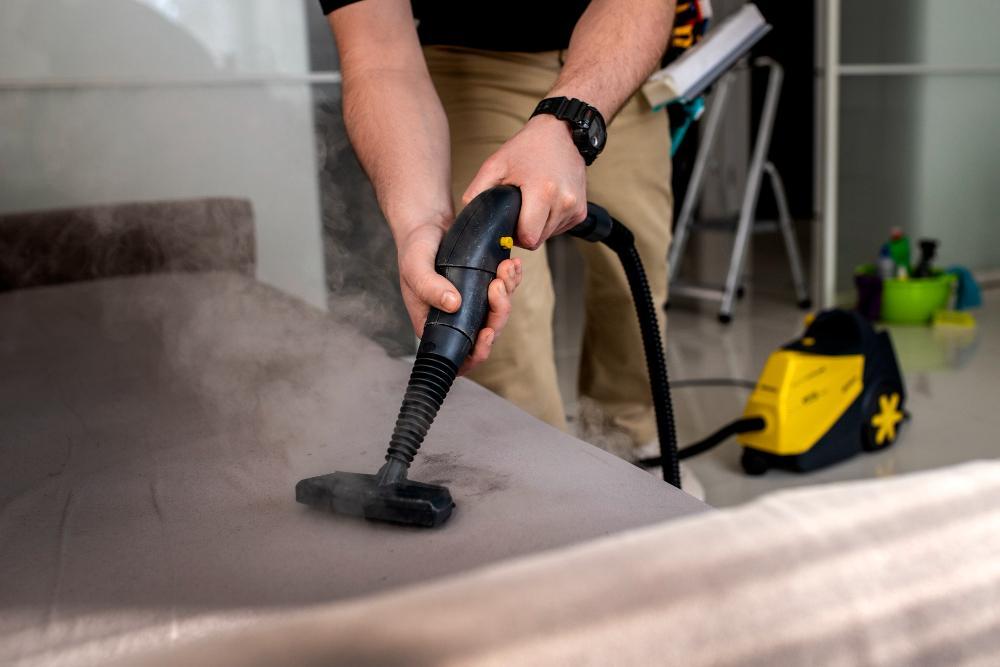
Dust mites cannot be completely eliminated from an office, but their numbers and the allergens they leave behind can be reduced. Upholstered chairs, reception sofas and other fabric seating can collect the dust and skin flakes that dust mites feed on, particularly when the furniture is used frequently.
The most effective control is not one cleaning product or treatment. It combines regular vacuuming, appropriate upholstery cleaning and indoor humidity control. If you are dealing with dust mites in office furniture, these are the areas worth addressing first.
What are Dust Mites and Do Dust Mites Bite?
Dust mites are microscopic, eight-legged arachnids related to spiders and ticks. They are about a quarter to a third of a millimetre in size and can live in indoor dust, bedding, couches, mattresses, carpets and upholstered furniture.
Dust mites do not bite, sting or feed on blood. Their mouthparts are not designed to pierce human skin. The main concern with dust mites is their allergens, found in their faeces and dead bodies, which may trigger allergic reactions.
Why is Office Upholstery an Ideal Habitat for Dust Mites?
Several factors can make office upholstery suitable for dust mites, including:
- Warm and Humid Conditions: Dust mites need moisture to survive. Relative humidity above about 65% provides the moisture levels that can support their survival and reproduction.
- Dead Skin Cells: People shed dead skin cells throughout the day. These cells become part of workplace dust and can settle on fabric chairs, sofas and other upholstered furniture, providing food for dust mites.
- Dust and Debris: Dust and skin flakes can settle on upholstered surfaces and become trapped in seams, cushions and other hard-to-reach areas. These materials can provide dust mites with a food source, while their allergens may remain in the fabric.
How to Remove Dust Mites From Office Upholstery?
Removing dust mites from office upholstery requires surface cleaning, deeper fabric cleaning and humidity control.
Step 1: Vacuum Upholstered Furniture Regularly
Vacuum upholstered furniture at least once a week to remove surface dust and get rid of dust mite allergens.
- Use a HEPA-filtered vacuum: Choose a vacuum with a HEPA filter or another high-efficiency filtration system to reduce fine dust released back into the room during cleaning.
- Vacuum the entire upholstered surface: Use the vacuum on the seat, backrest, armrests and cushions, paying attention to seams, piping and gaps where dust can settle.
Step 2: Deep Clean the Fabric Properly
Deep cleaning can remove dirt and allergens from upholstery that routine vacuuming cannot reach.
- Check the Upholstery Care Label: Confirm whether the material can be wet cleaned, steam cleaned or treated with a particular cleaning solution. Do not apply heat, water or chemicals that are unsuitable for the fabric.
- Pre-Treat Heavily Soiled Areas: Apply an upholstery-safe pre-treatment where needed to loosen stains, body oils and embedded dirt. Follow the product manufacturer’s instructions for application and how long to leave it on the fabric.
- Clean the Upholstery Using a Suitable Method: Choose a cleaning method that is appropriate for the upholstery. For furniture that can be wet cleaned, use an upholstery cleaning machine according to the manufacturer’s instructions. For materials that should not be exposed to much moisture, use a suitable low-moisture cleaning product or method.
- Dry the Upholstery Completely: Allow the furniture to dry fully before using it again. Keep the area well ventilated to help moisture evaporate, and avoid leaving the upholstery damp.
While deep cleaning may help remove dust mites and their allergens, doing it incorrectly can damage the upholstery or leave excess moisture in the fabric and cushioning. Leaving it to a professional helps ensure the upholstery is cleaned with the right method and equipment.
At ESP Cleaning Services, we use cleaning methods suited to the upholstery material and level of soiling. Our services include dry shampoo encapsulation for minimal drying time, deep extraction cleaning for heavily soiled upholstery, and specialised cleaning for leather furniture. We also target embedded dirt, stains and allergens while removing cleaning residues.
Step 3: Control the Office Environment
Measure and manage indoor relative humidity to reduce conditions that support dust mites. Aim for approximately 50% relative humidity where possible, as lower humidity can make conditions less favourable for dust mites.
- Monitor Relative Humidity: Place hygrometers in areas with upholstered furniture, particularly where humidity tends to be higher. Regular monitoring helps identify areas that need humidity management.
- Maintain the HVAC System: Air-conditioning systems can remove moisture from indoor air. Keep the system properly serviced and maintain its filters according to the manufacturer’s recommendations to support effective operation.
- Use Dehumidifiers Where Needed: Consider portable or dedicated dehumidifiers for rooms where humidity remains high despite normal HVAC operation, such as enclosed storage areas.
- Address Moisture Sources Promptly: Repair leaks, condensation and other sources of water intrusion. Dry wet materials thoroughly, as persistent moisture can contribute to mould growth.
Clean Your Office Upholstery With ESP Cleaning Services
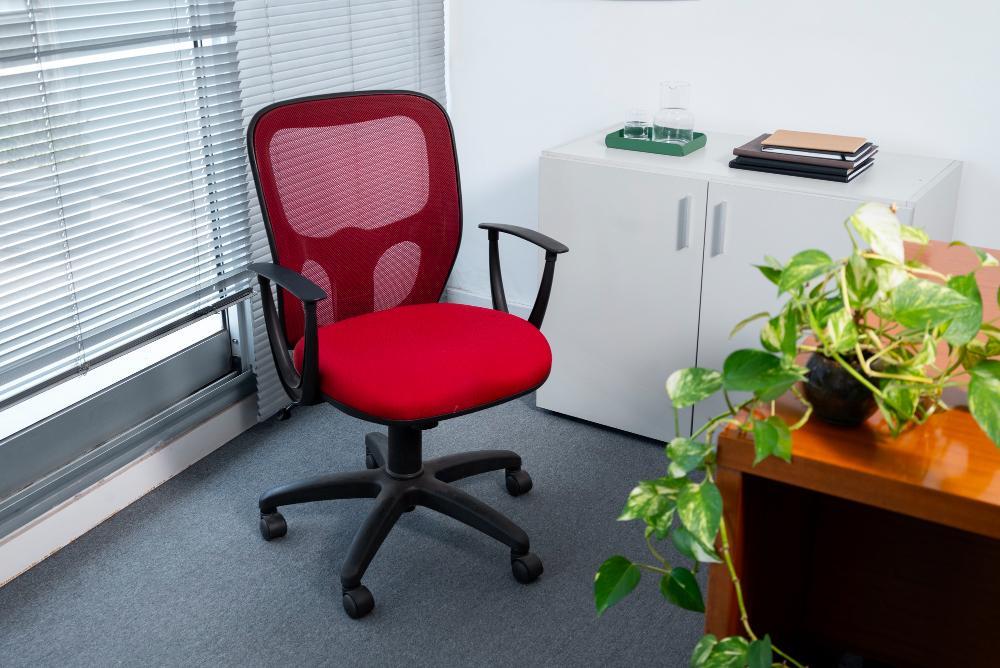
Regular professional cleaning helps reduce the buildup of dust mites, allergens and other debris between cleaning sessions. Our upholstery cleaning helps remove what has settled into the fabric, rather than only lifting surface dust.
At ESP Cleaning Services, we clean office chairs, reception sofas and other upholstered seating. We also provide comprehensive office cleaning services covering floors, carpets, windows, partitions, high-touch areas, pantry areas and other shared spaces.
Contact us today for office cleaning services in Singapore and a no-obligation quotation.